Chatterbox

Aquatic invasive species are plants or animals that arrive in a new place because of human activity. They can cause problems by taking up food and space from animals and plants that are already there. Once introduced, they are very difficult to get rid of. That’s why preventing them from spreading is important to protect our lakes and rivers. 
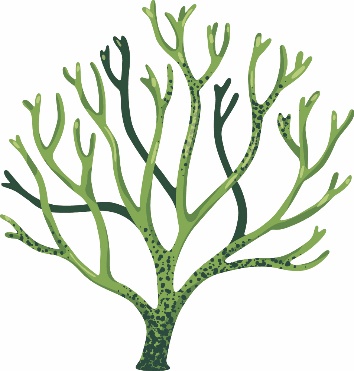
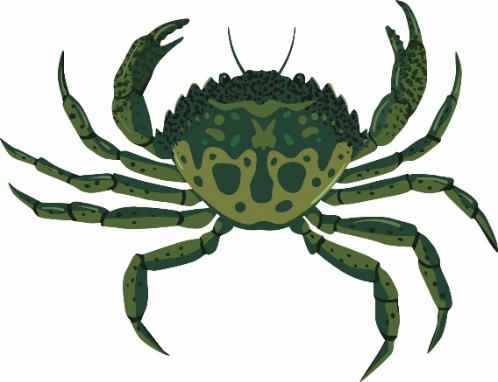
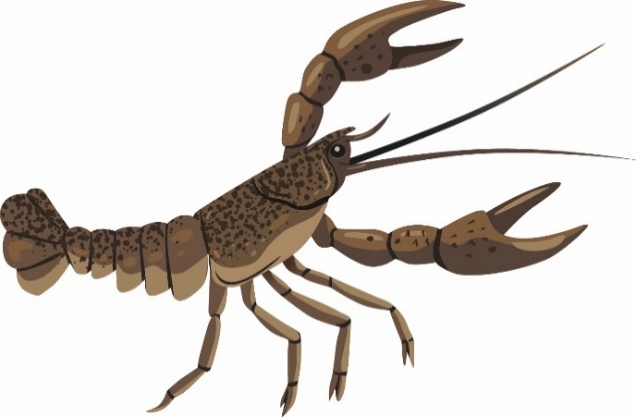
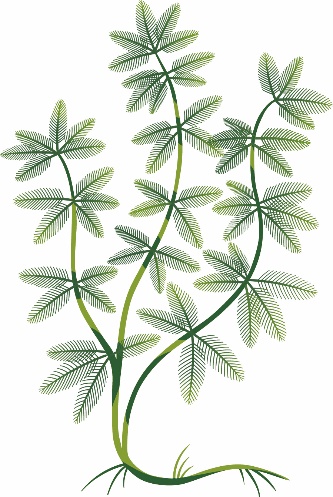
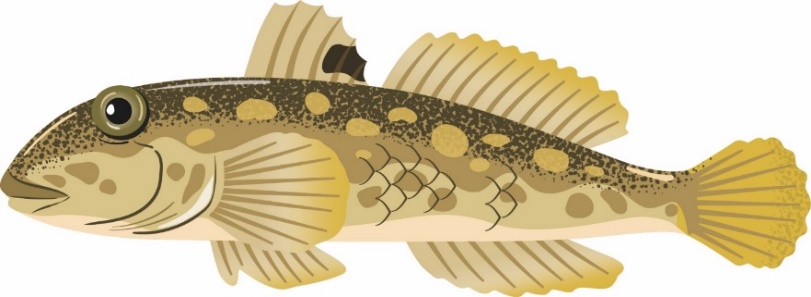
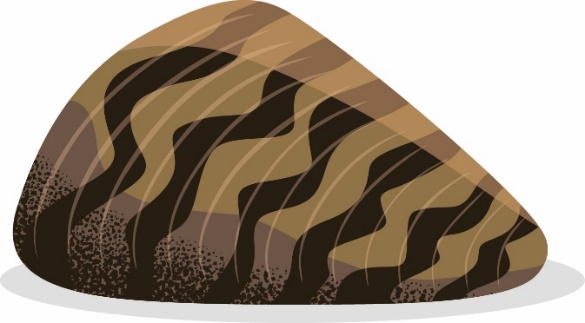
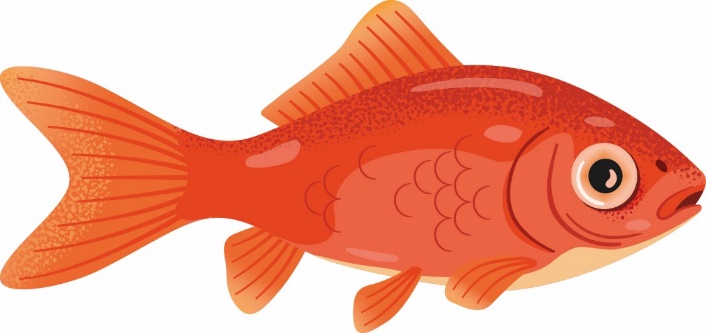
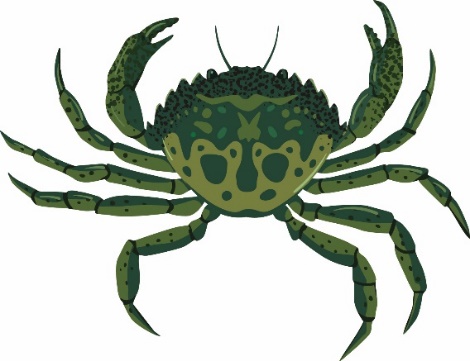
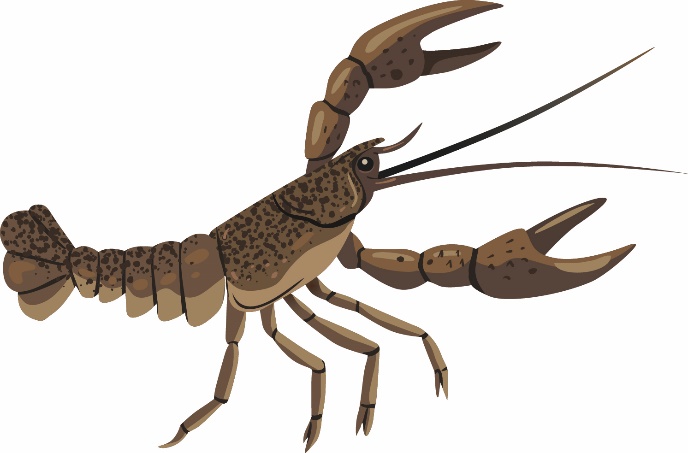
 Illustration of Oyster Thief, an invasive algae. Oyster Thief is made up of dark green cylindrical stems.     Illustration of a European Green Crab.      Illustration of a Marbled Crayfish.     Illustration of Eurasian Water Milfoil.      Illustration of a Round Goby.     Illustration of a Zebra Mussel.   Illustration of a Goldfish.

Don’t let it loose! 

Never release animals or plants from an aquarium into the wild. Alive, these animals and plants can affect local species. Dead, they can spread dangerous diseases.

Illustration of a bucket emptying, releasing an invasive fish, a crustacean and a plant in the process. The illustration features a prohibition symbol. A text accompanying the image describes : « Intruders making waves. Aquatic invasive species, don’t let it loose! »

Report 

Report any sightings of invasive species by sending an email including photos, date and location of your observation to: : DFO.QUEAIS-EAEQUE.MPO@dfo-mpo.gc.ca 

Spread the word! 

Prevention is everyone’s responsibility! 

To learn more : www.qc.dfo-mpo.gc.ca/en/aquatic-invasive-species 


Would you like to make a chatterbox and play with a friend? Download and print the PDF version by clicking here.

Game


Section 1
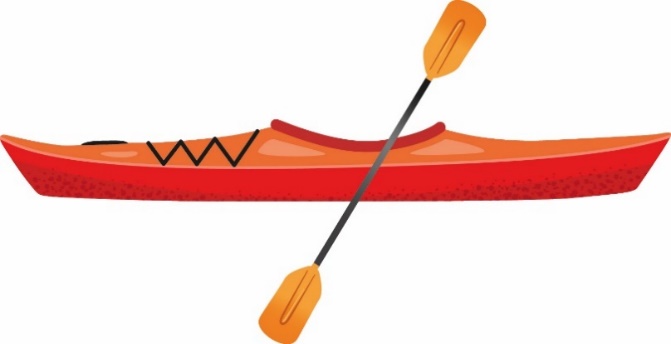
A red kayak and a yellow paddle. Brown stains under the kayak illustrate the presence of invasive species clinging to the craft.


You went kayaking. After getting out of the water, what do you need to clean?

Everything that came in contact with water! Your kayak, your paddle and even your lifejacket.



Illustration of a man holding a yellow kayak paddle and wearing a red life jacket.


Section 2

Illustration depicting a marine habitat. A seagull and a sea star are represented on the rocks.


True or false? Invaders can be found in lakes, rivers and oceans.

True. They can be found in both freshwater (lakes, rivers, ponds) and saltwater (seas, oceans)


Section 3

Illustration depicting a freshwater habitat. The water is blue-green and aquatic plants such as water lilies and cattails can be seen.


True or false? It’s a good idea to release your aquarium fish into a pond.

False. It can be a threat to local species.
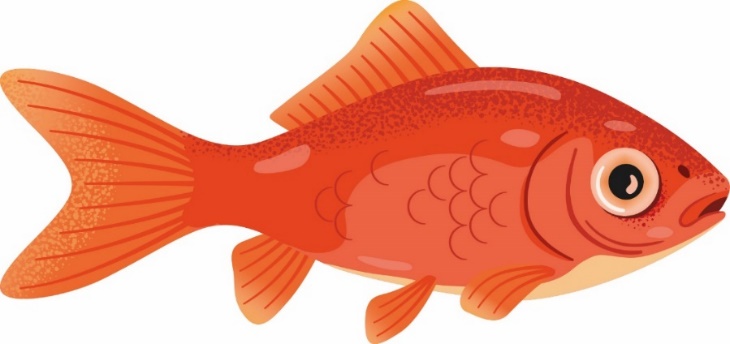
 

Illustration of a Goldfish, like the ones found in aquariums.


Section 4

Illustration of a woman and a child wearing their red life jacket.


Who should protect our lakes and rivers from aquatic invasive species?

Everyone! Your city, your family, your friends… and even you!


Section 5

Illustration of a fishery officer. The officer, wearing her work clothes and her hat, takes notes.


Which of lobster, catfish and goby is an invasive species in Quebec?

The Round Goby
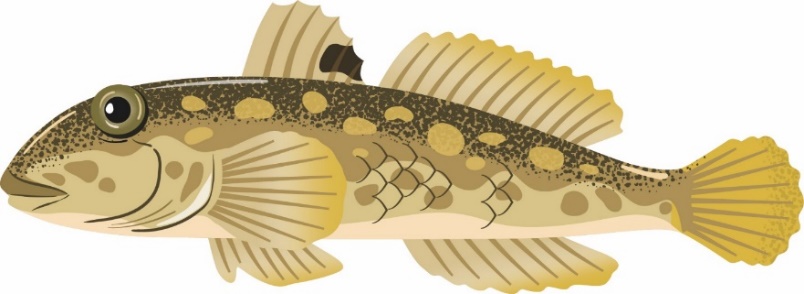
 

Illustration of a Round Goby, an invasive species. This yellow-brown fish is characterized by a black stain on its anterior dorsal fin.


Section 6

Illustration of a European Green Crab, an invasive species. The European Green Crab has five sharp spines on the side of each eyes.        Illustration of a Marbled Crayfish, an invasive species. The Marbled Crayfish, brown in color, bears dark mottling on its shell.


What to do if you see an invasive species?

Tell and adult or someone responsible for the environment.

 

Illustration of an officer, an example of someone responsible for the environment.


Section 7
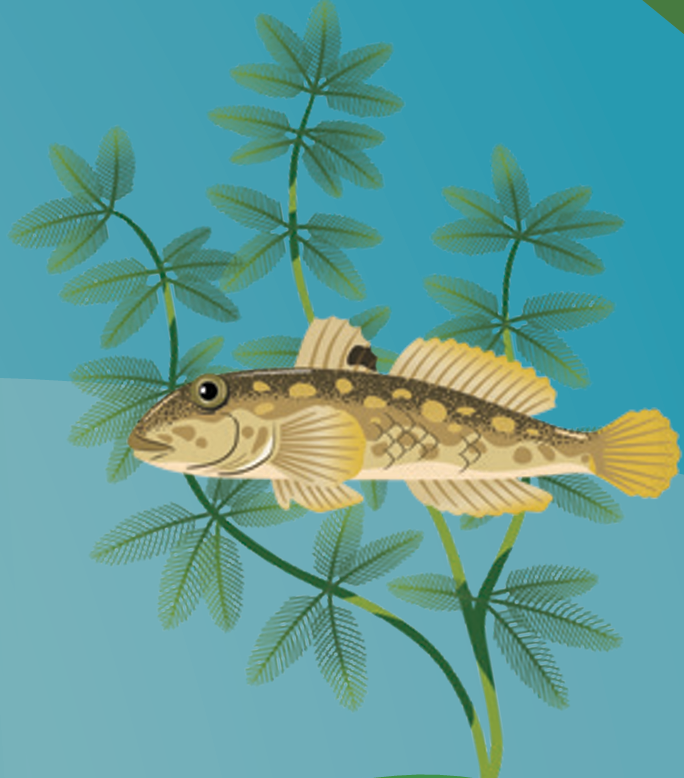
 Illustration of a Round Goby swimming in front of Eurasian Water Milfoil. Eurasian Water Milfoil is an invasive plant species whose stems bear feather-shaped leaves.


What is an invasive species?

It's an animal or plant from elsewhere that settles in a new environment and disturbs the species that already live there.


Section 8


True or false? Zebra mussels can attach to almost anything and be very bad for the environment.

True. They attach on boats, docks and even on other mussels!
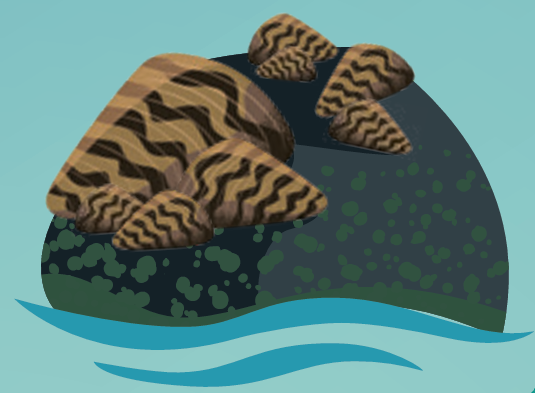
 

Illustration of 7 Zebra Mussels fixed on a rock. The triangular shell of Zebra Mussels exhibits an alternating pattern of dark and light zigzag stripes.